A Faster Approach to Yacht Component Development
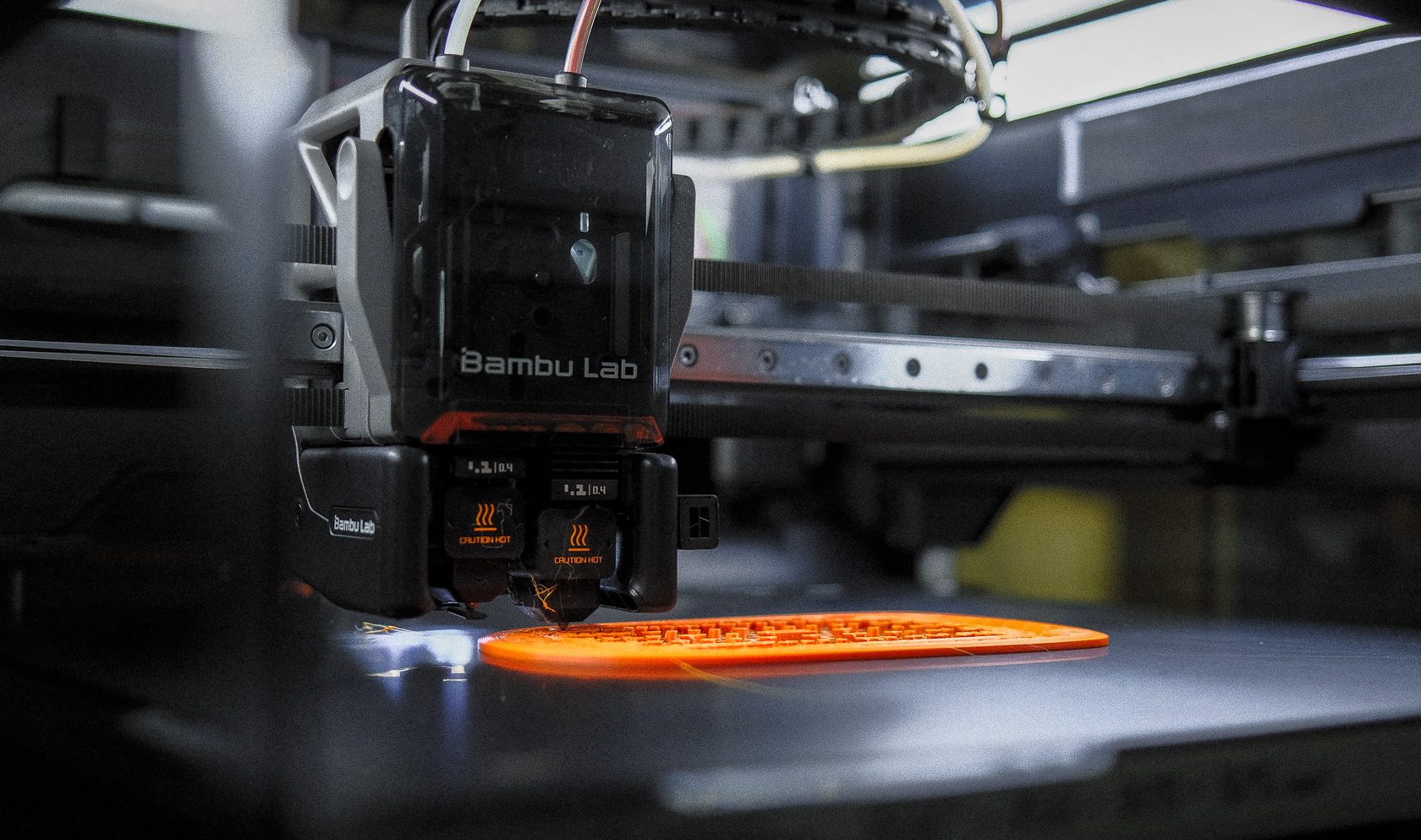
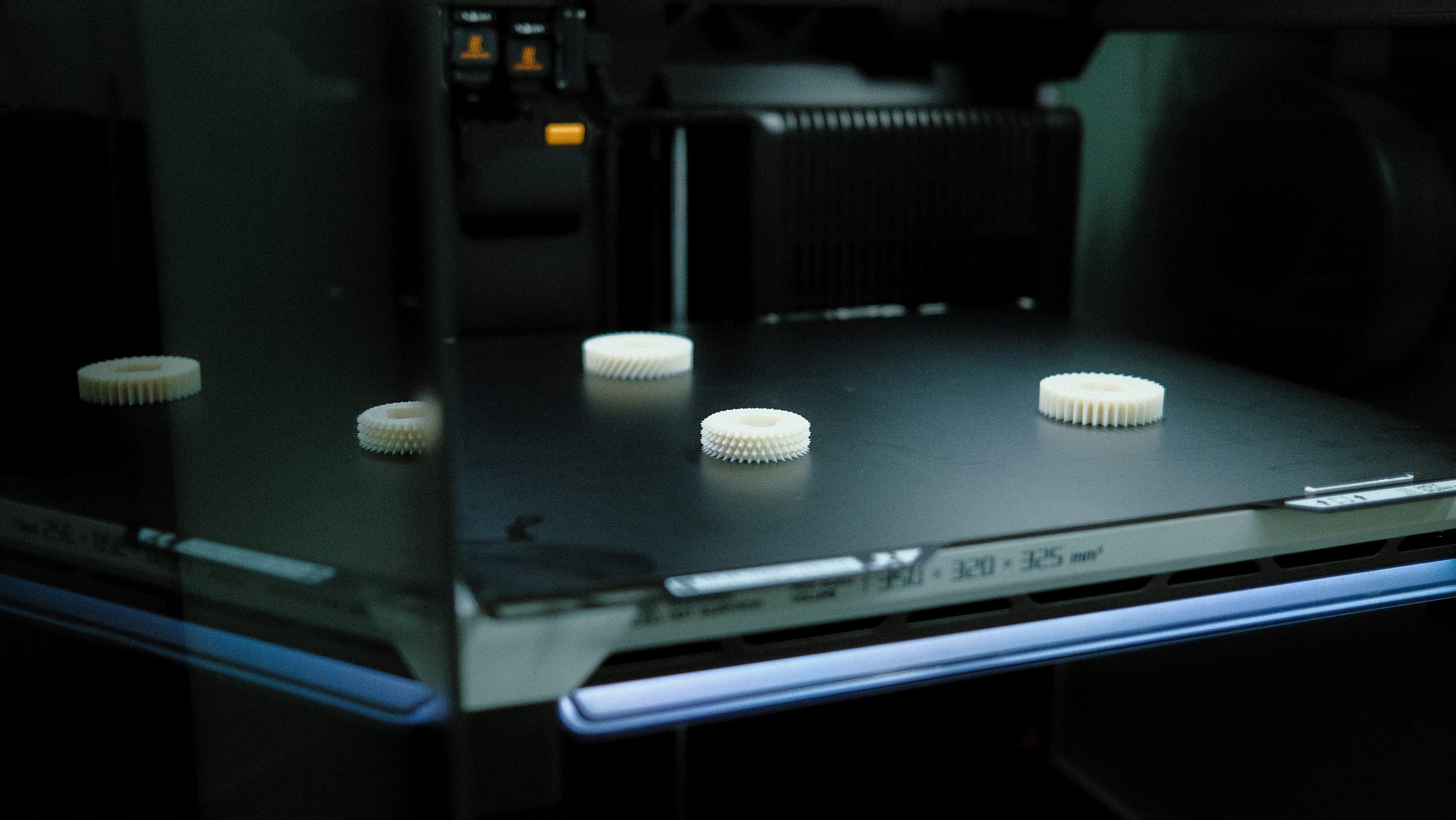
At BMComposites, 3D printing is fully embedded within our design and manufacturing process. Working alongside high-precision 3D scanning and CAD-integrated development, it allows us to move quickly from concept to physical part quickly, accurately, and with full engineering oversight.
This is particularly valuable in two key scenarios:
Rapid prototyping
When developing new components, 3D printing allows designs to be tested, adjusted, and refined before committing to full manufacture. This reduces uncertainty and ensures the final part performs exactly as required.
Rapid legacy component replacement
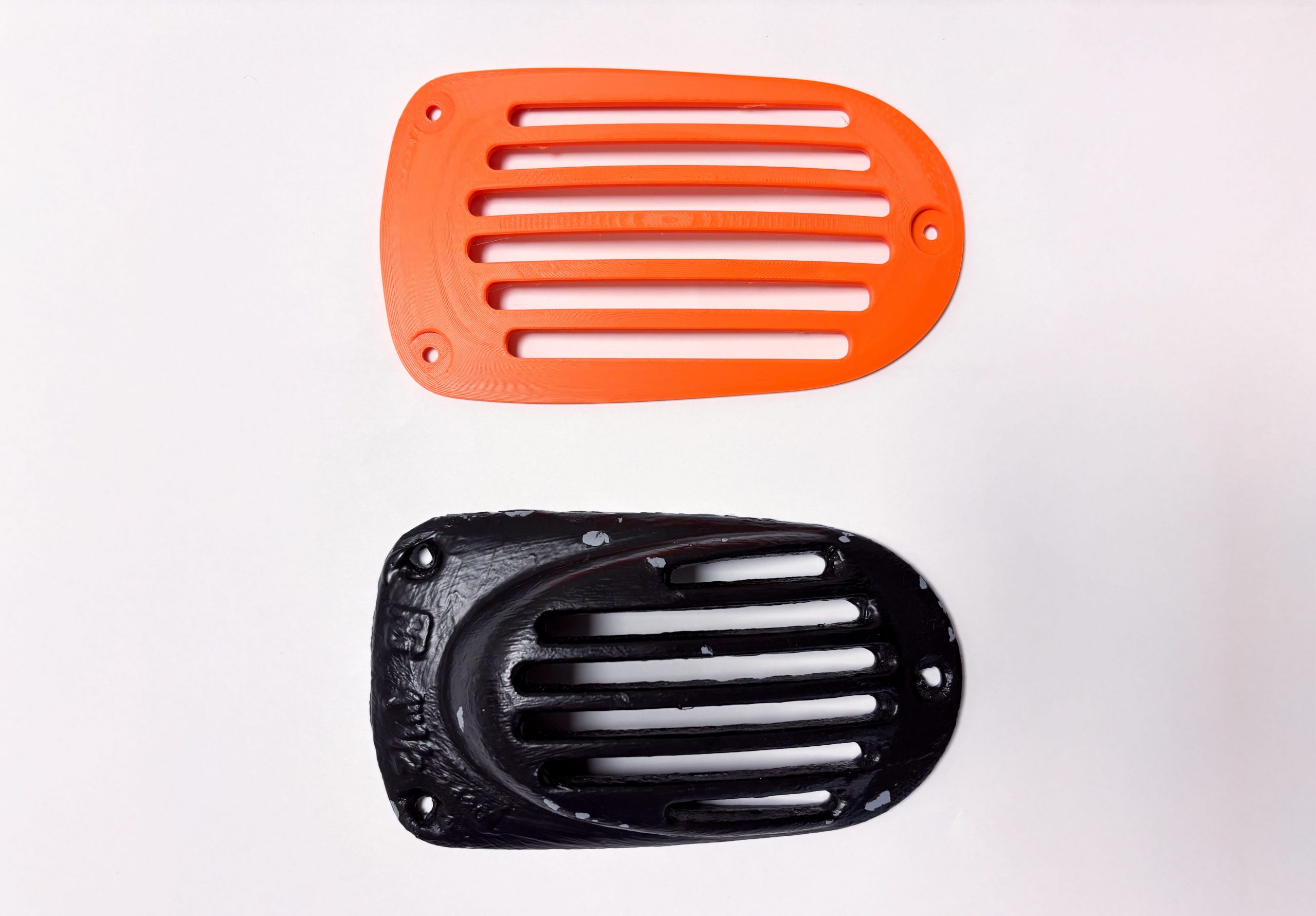
For older yachts or discontinued systems, sourcing original parts is often simply not possible. Using 3D scanning and reverse engineering, we recreate components with precision-fit accuracy — no original drawings required, no reliance on suppliers who no longer exist.
Cost-efficient production for new components
For new, small-scale components where speed and cost efficiency are priorities, 3D printing offers a practical alternative to traditional manufacturing routes, without sacrificing quality or fit.
This approach supports ongoing maintenance and upgrades without compromising timelines.
Practical Applications On Board
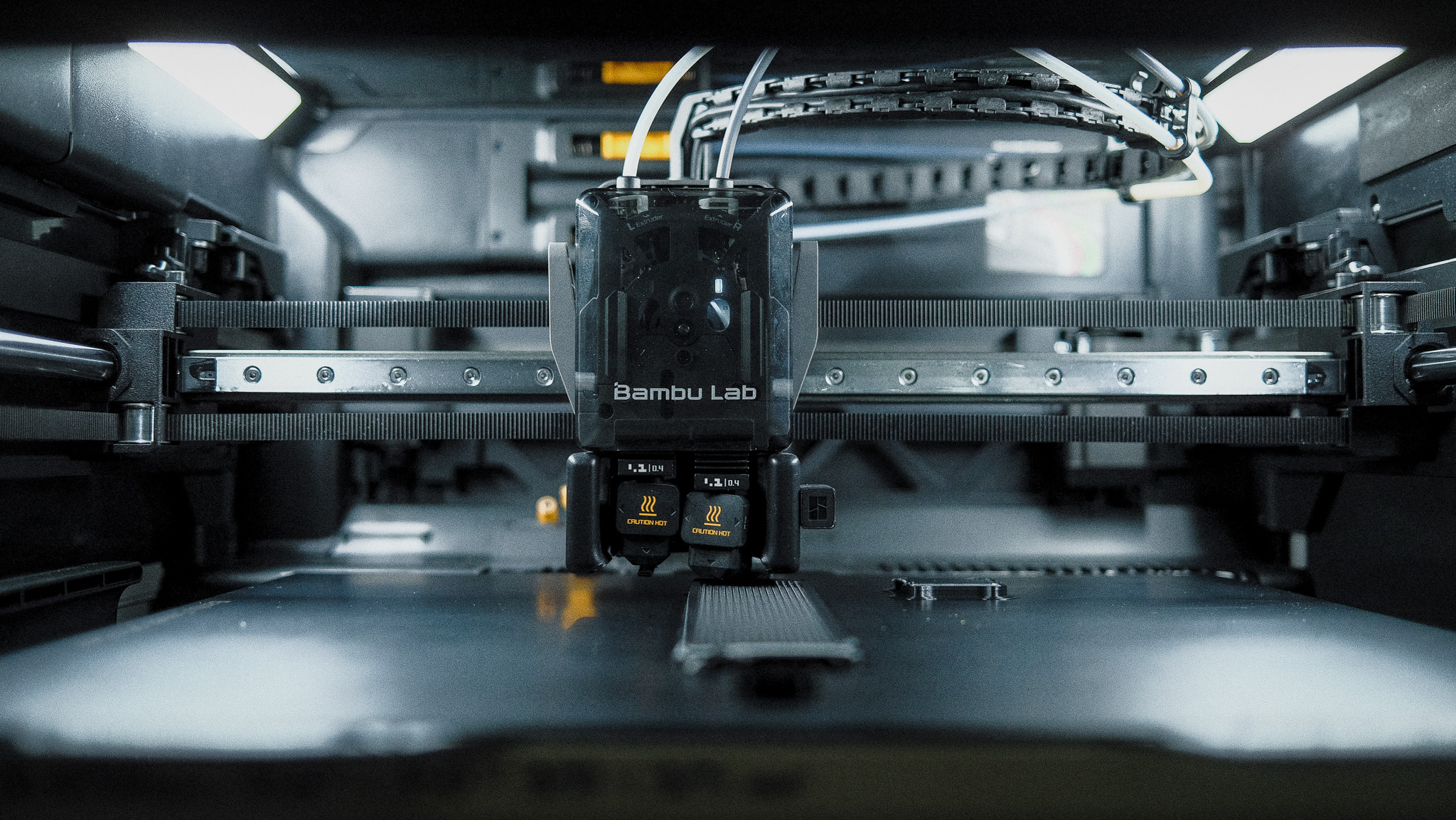
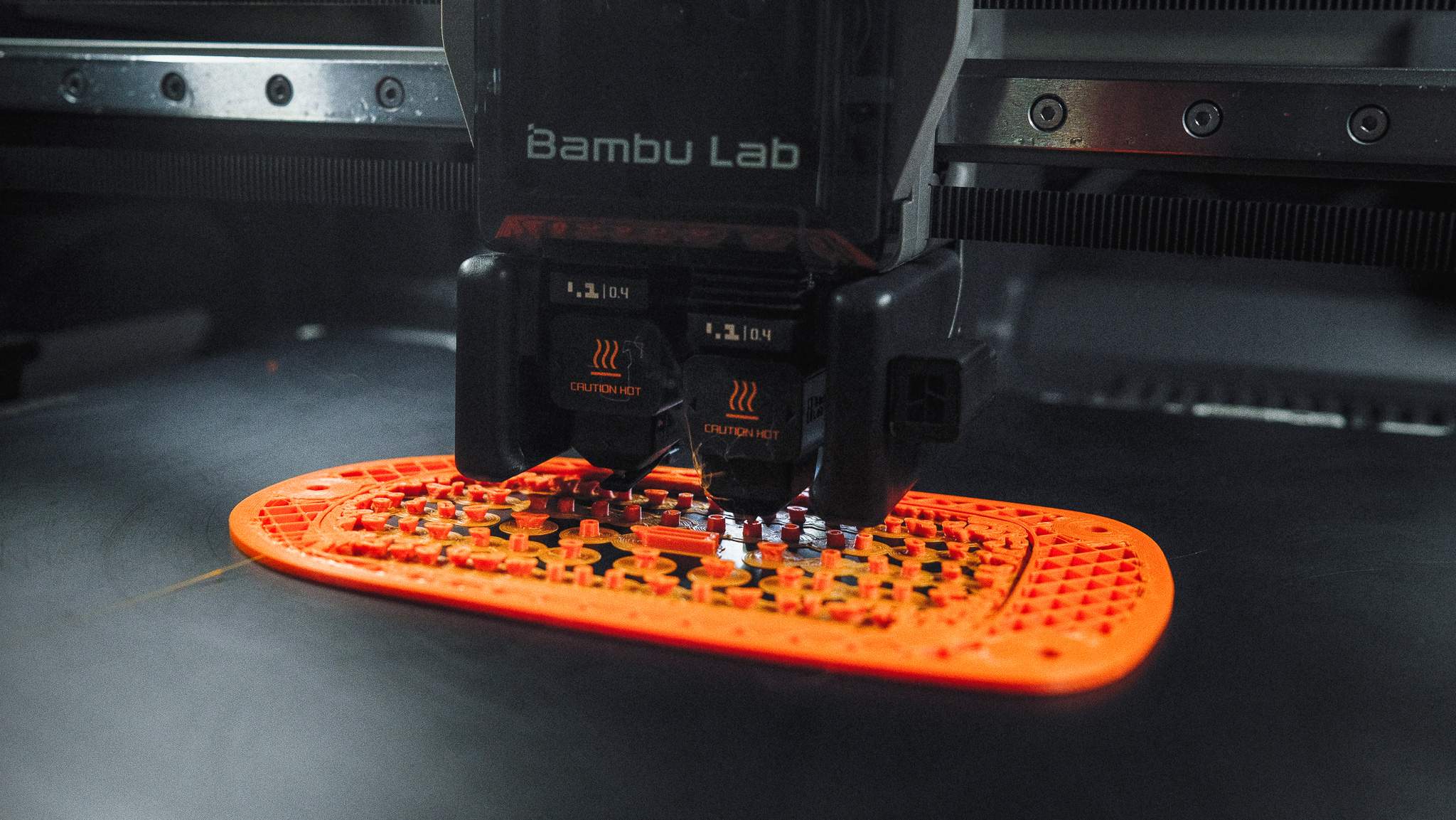
3D printing is particularly effective for low-volume, custom, or hard-to-source components. Typical applications include:
-
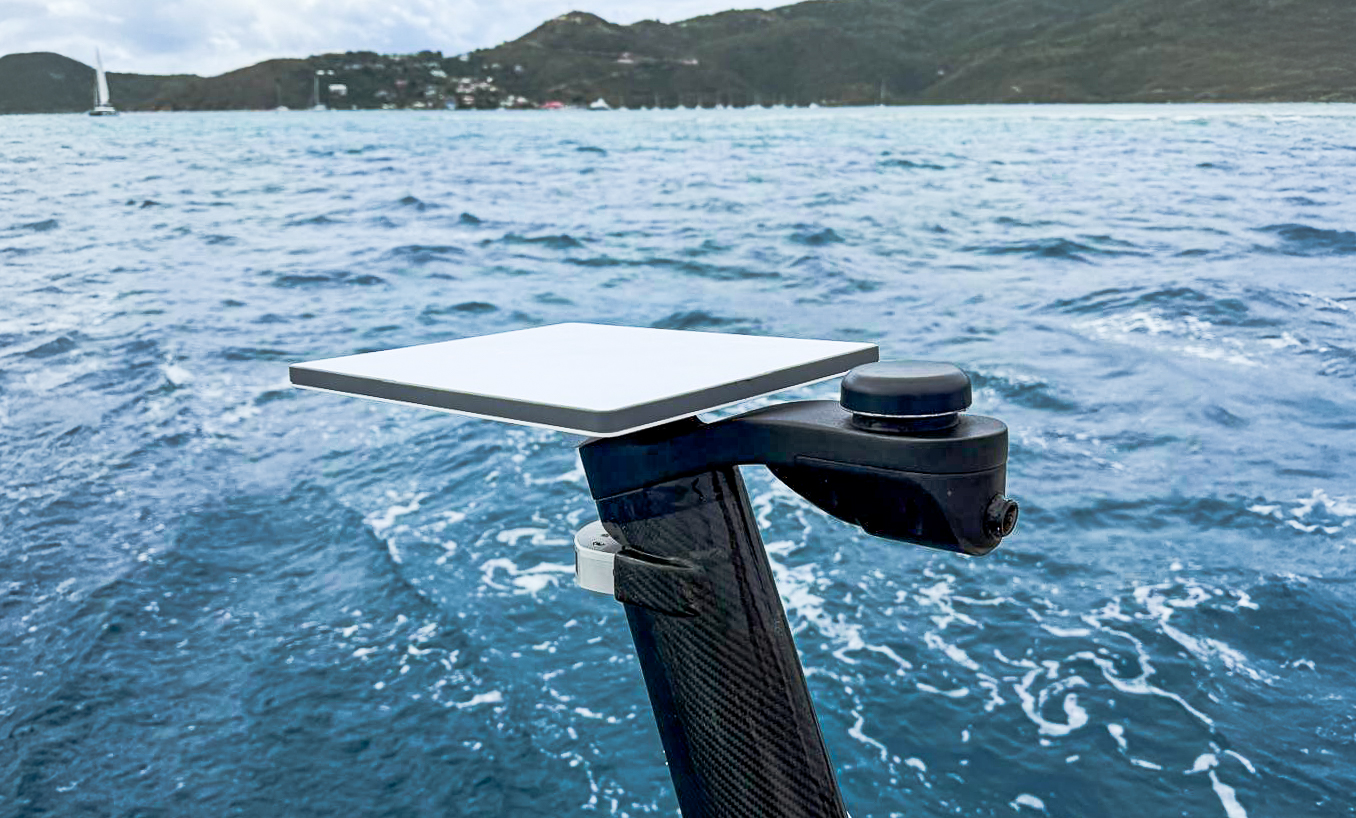
Starlink Atenna Supports
-
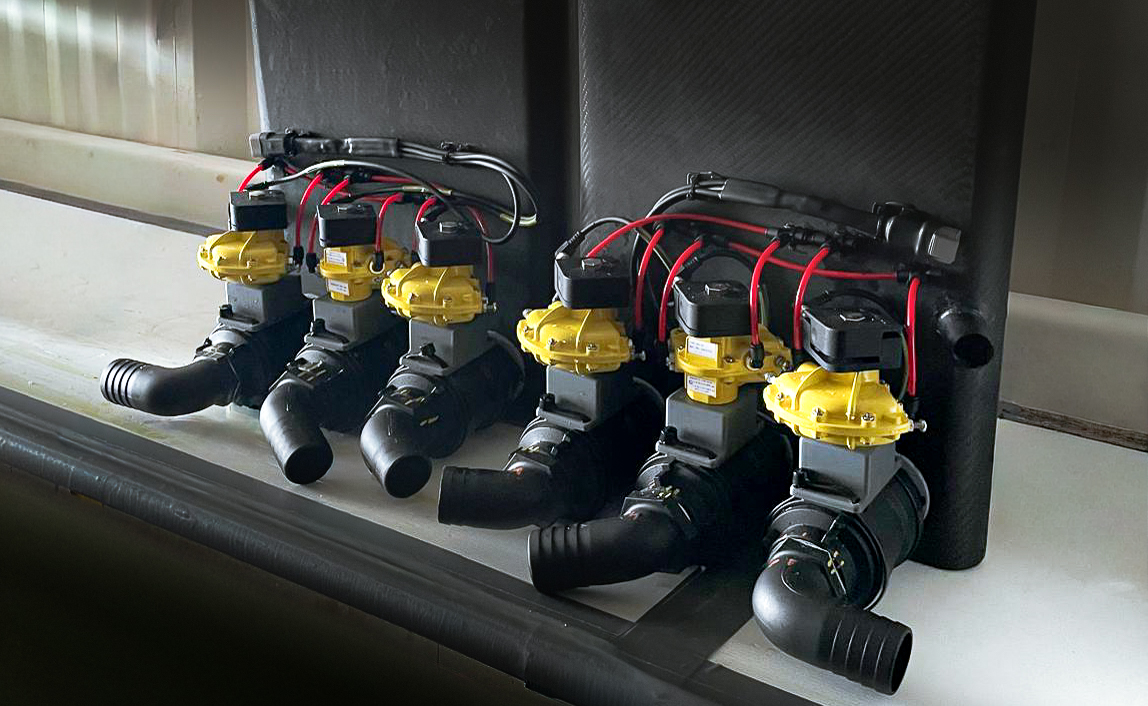
Modified Valve System
-
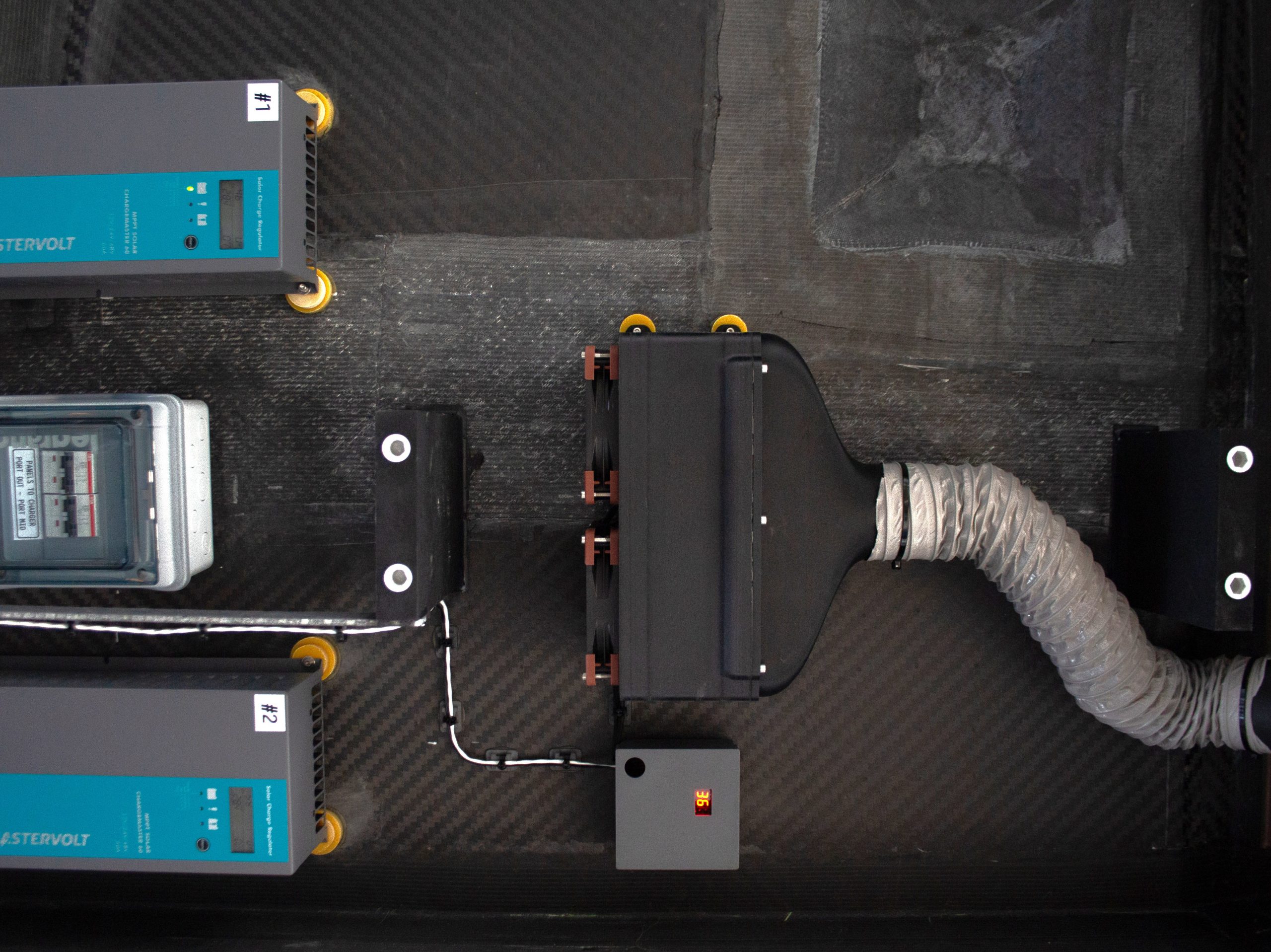
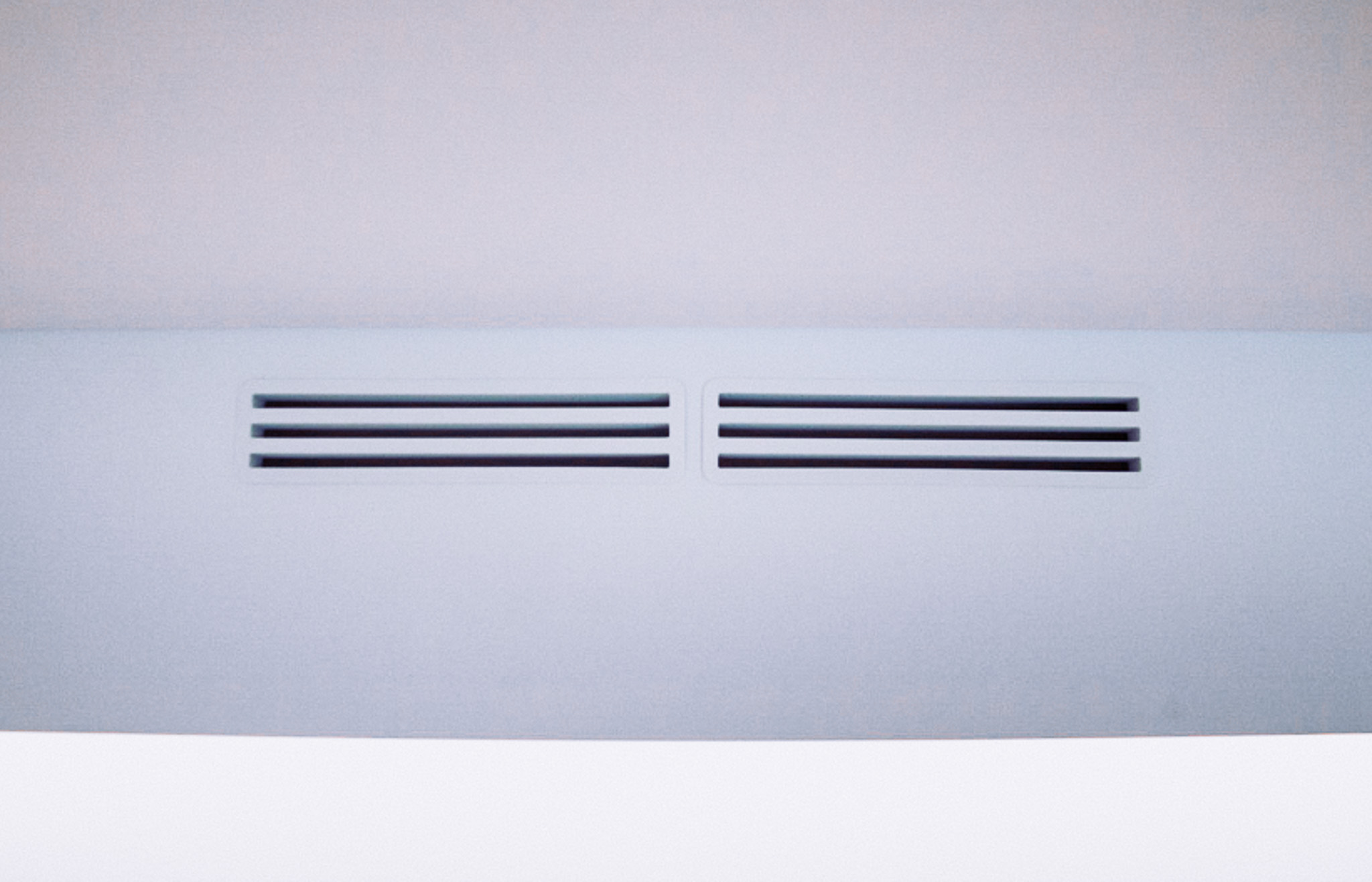
Ventilation System Elements
-
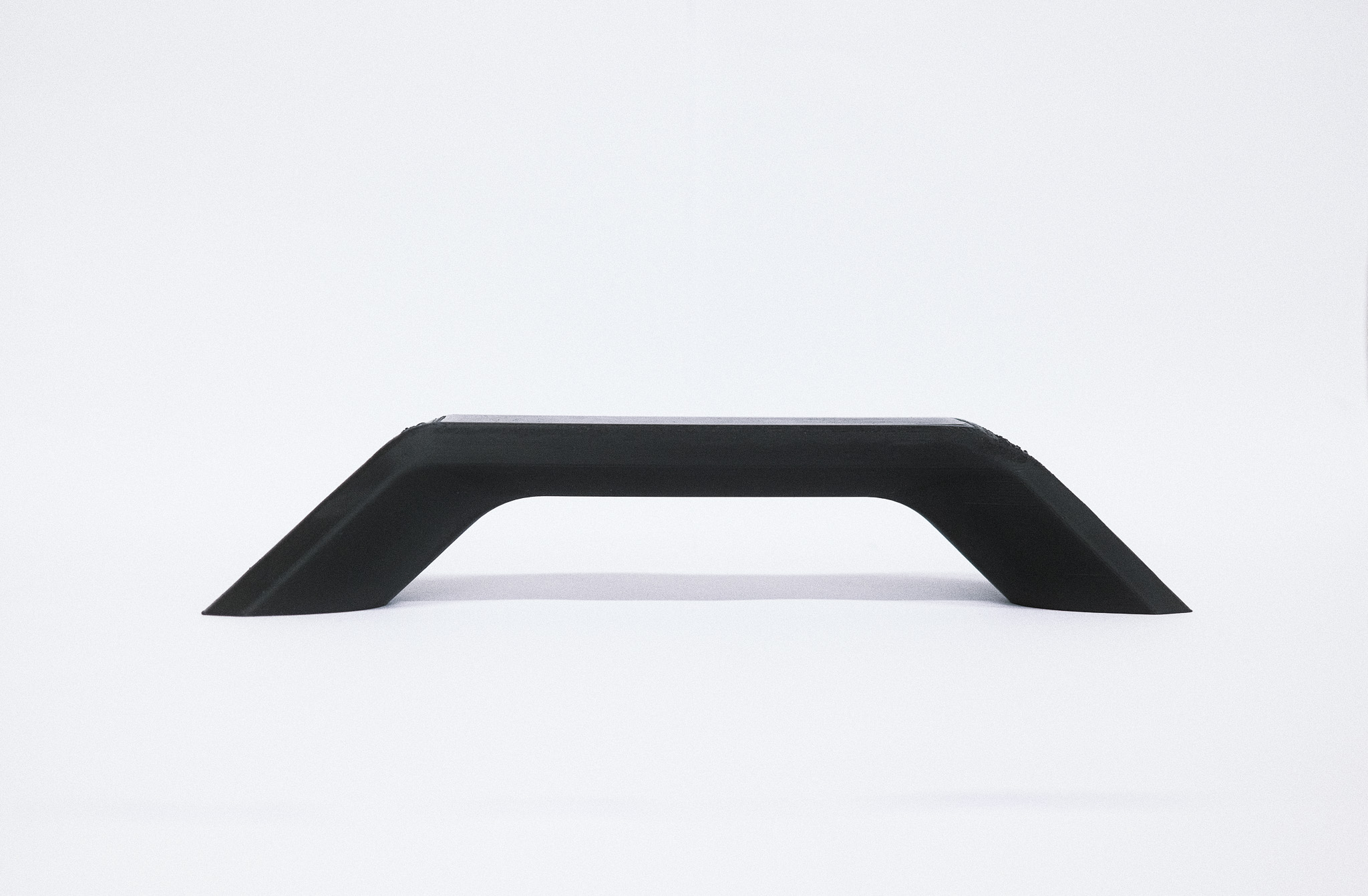
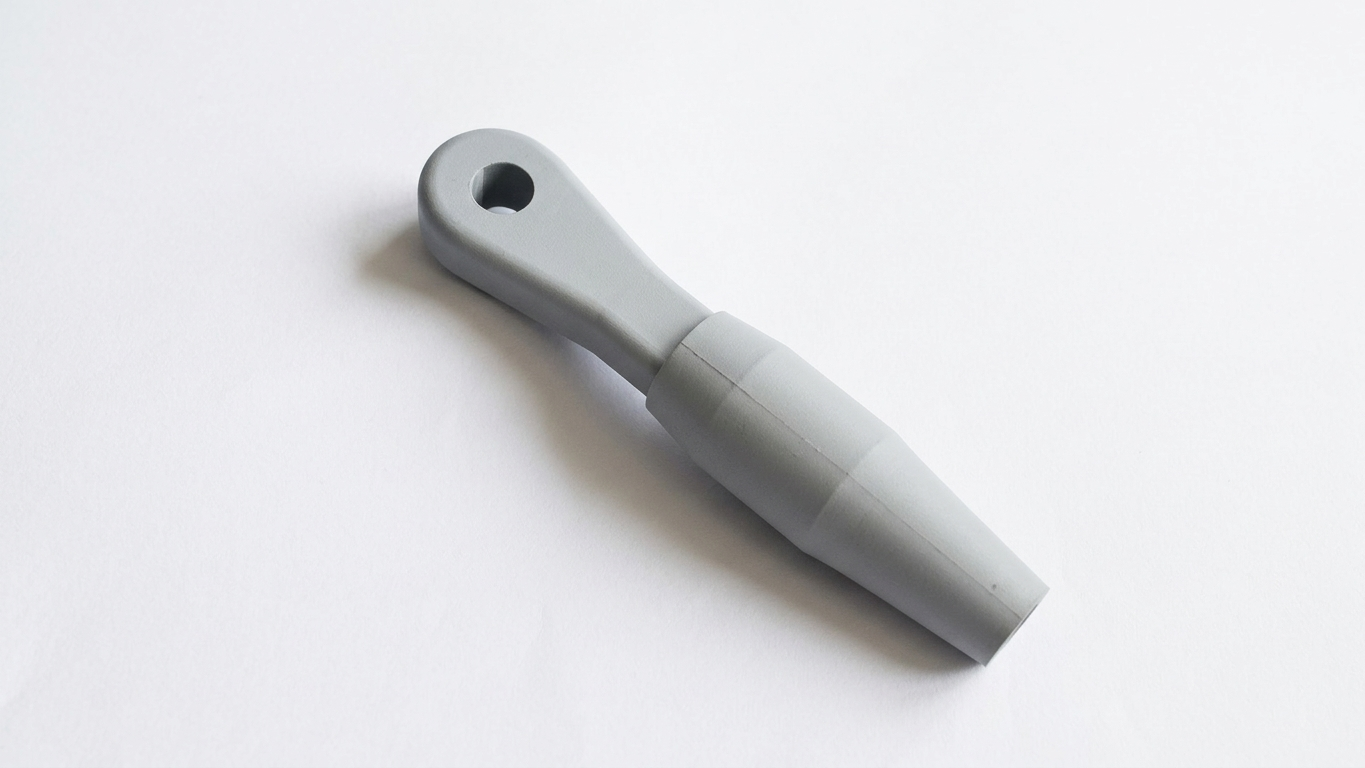
Custom Handles and Fittings
-
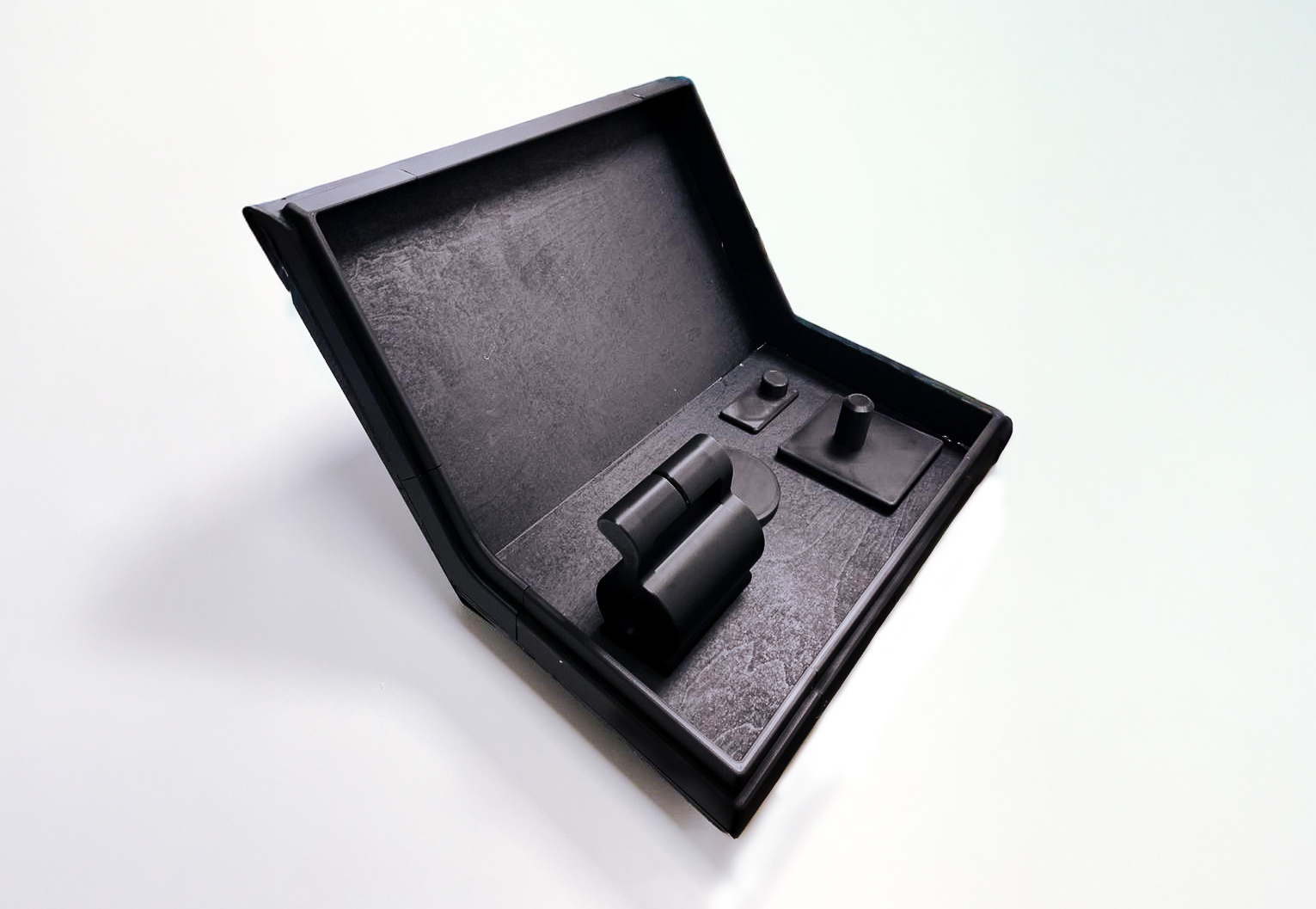
Crew Interface Components
-
Water Inlet Parts
-
Covers, housings, and small structural details
These are not afterthoughts, they are often critical components that hold up a project when they cannot be sourced. Having the capability to produce them in-house, to exact specification, can change the dynamic entirely.
Precision Fit Through Integrated Engineering
What sets us apart from standalone 3D printing services is the engineering context around it.
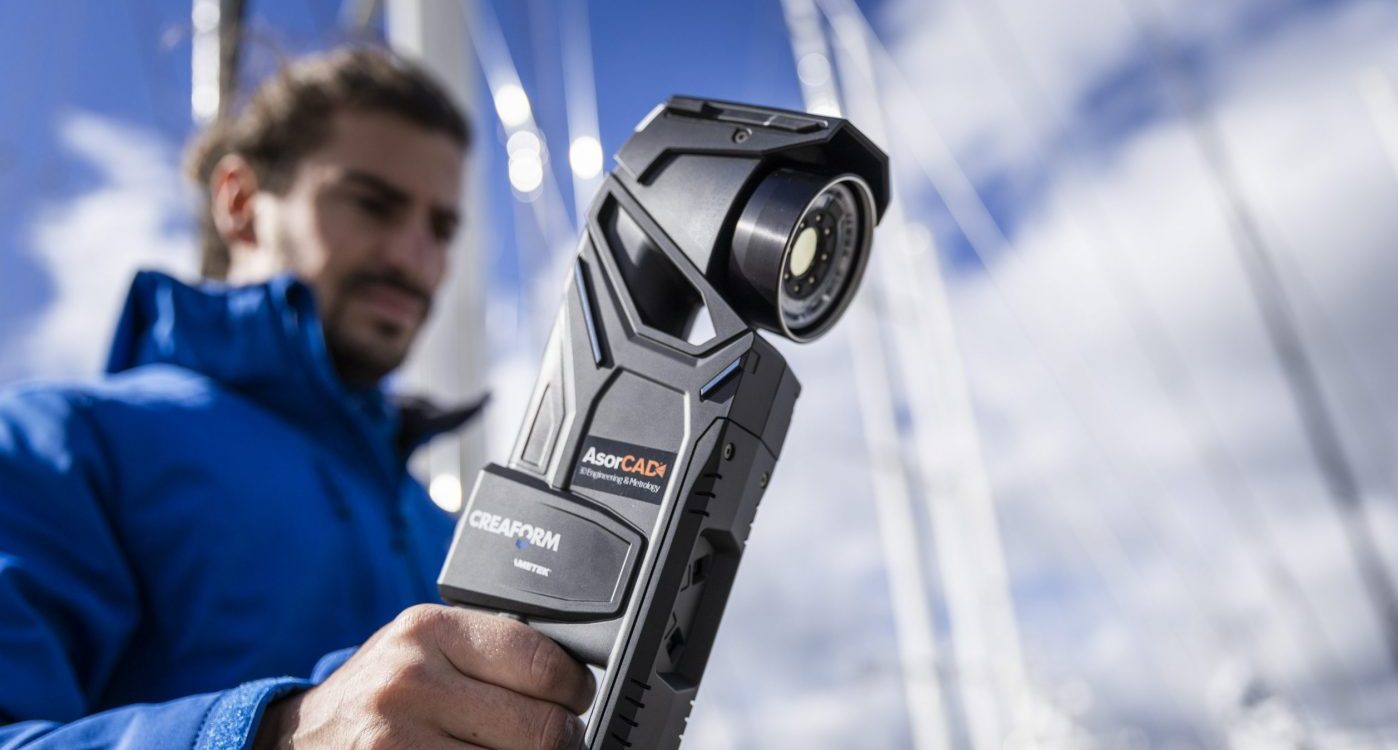
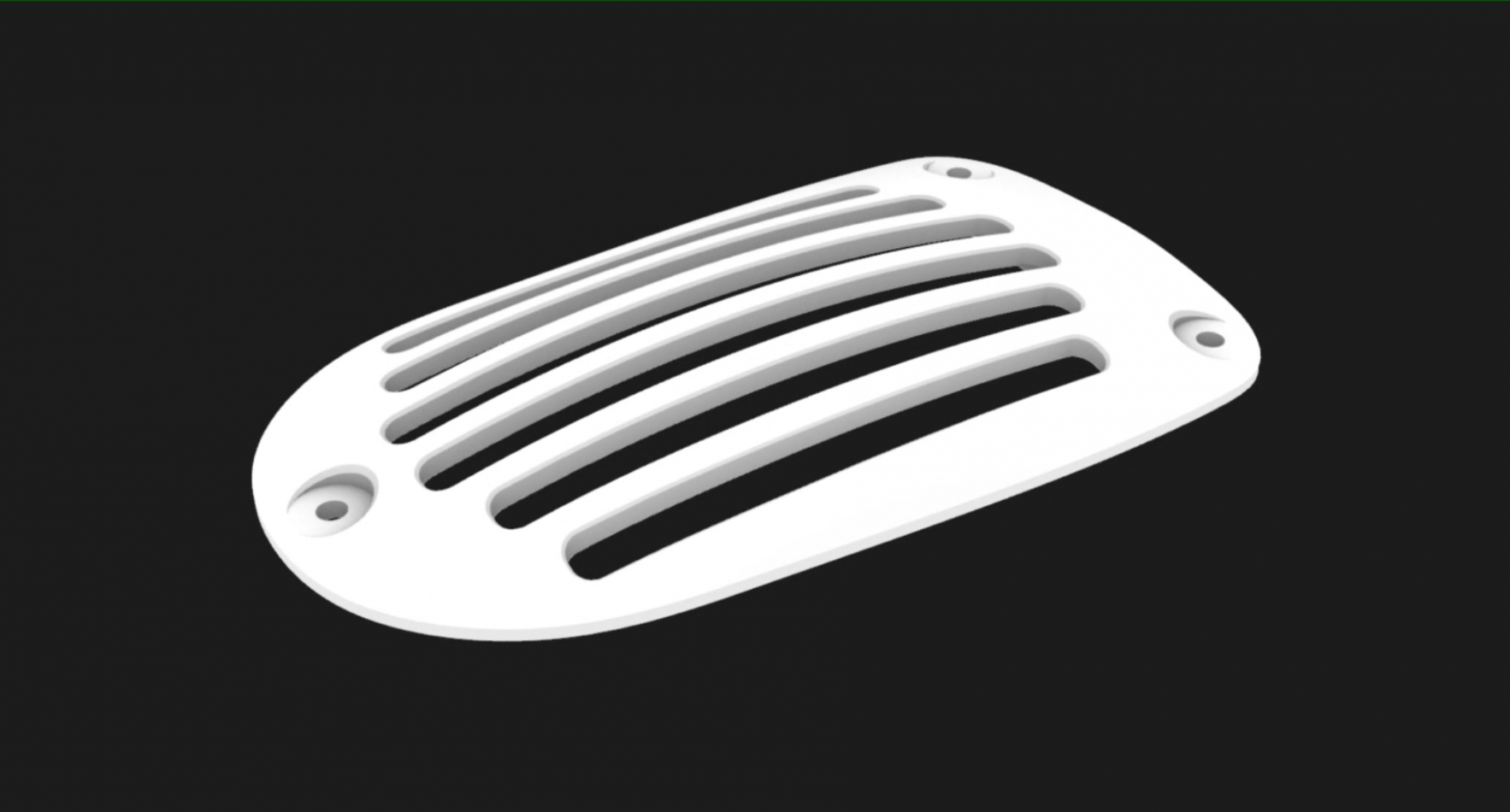
Using high-accuracy 3D scanning, we capture existing geometries and onboard interfaces in precise digital detail, creating a reliable reference before a single line of CAD is drawn. Components are then developed and validated through printed prototypes before final production, ensuring engineered fit and seamless installation.
The result is predictable execution and seamless installation, with no costly adjustments once work has begun on board.
> Interested in 3D scanning? Learn more
Supporting Efficient Refit Timelines
Because 3D printing is handled entirely in-house, there are no external suppliers to chase and no lead times to manage around. This allows components to be developed and produced within tight refit schedules, supporting better coordination across the project.
It also enables early-stage validation, meaning potential issues can be identified and resolved before installation, reducing disruption on board.
As part of a fully integrated workflow that includes 3D scanning, CAD development, CNC tooling, and composite manufacturing, 3D printing plays a key role in accelerating decision-making and improving overall project efficiency.
A Practical Tool Within a Wider Engineering Process
3D printing is most effective when used as part of a broader engineering process. It sits within a complete engineering capability that supports:
-
Faster concept validation
-
Reliable replication of legacy parts
-
Improved fit and installation accuracy
-
Cost-efficient low-volume production
For captains and yacht managers, this means faster solutions, reduced risk, and minimal disruption — from the first scan to the final installation.